Consumer Electronics / B2B Battery Solutions
Consumer Electronics Battery Management Solutions
Unexpected shutdowns, charger mismatch and inconsistent replacement supply can delay a battery project and increase support costs. BMS & Energy helps battery pack manufacturers, energy-storage wholesalers and system integrators turn these challenges into a clear BMS selection, integration and purchasing plan. As a BMS consultant and sourcing partner, we coordinate manufacturing partner options, technical documents and sample evaluation.
Our consumer electronics battery management solution connects the cells, protection strategy, charger, host interface and supply requirements. From portable devices to cordless equipment and light electric mobility, we define the application, shortlist suitable configurations and coordinate validation before bulk purchasing. Selection is supported by model-specific documentation and testing with the intended battery pack and device.
F · Solution Features
A coordinated solution from battery definition to integration
We translate device problems and commercial requirements into a shared technical brief. This gives the pack manufacturer, system integrator and BMS partner a consistent basis for design review, sample testing and purchasing.
Protection matched to real use
Review cell limits, load conditions and temperature exposure to define the protection strategy. Confirm monitoring and balancing requirements so the selected configuration supports the pack's intended operating conditions.
Startup and standby planning
Investigate motor-start shutdowns, storage drain and unreliable wake-up. Compare load pulses, sleep behavior and fault recovery against the device's operating cycle before approving samples.
Host data and control integration
Define the battery status, state-of-charge and fault information needed by the device. Coordinate connector levels, supported protocols and data mapping to address communication gaps early.
Pack, charger and enclosure coordination
Review board space, harness routing, connector pinout, charging behavior and thermal conditions together. Align the BMS with the charging system and enclosure before the battery design is finalized.
F · Application Solutions
Battery solutions shaped around the finished application
A compact connected device and a motor-driven product create different integration challenges. We use the actual duty cycle, charging system and host requirements to define the solution scope.
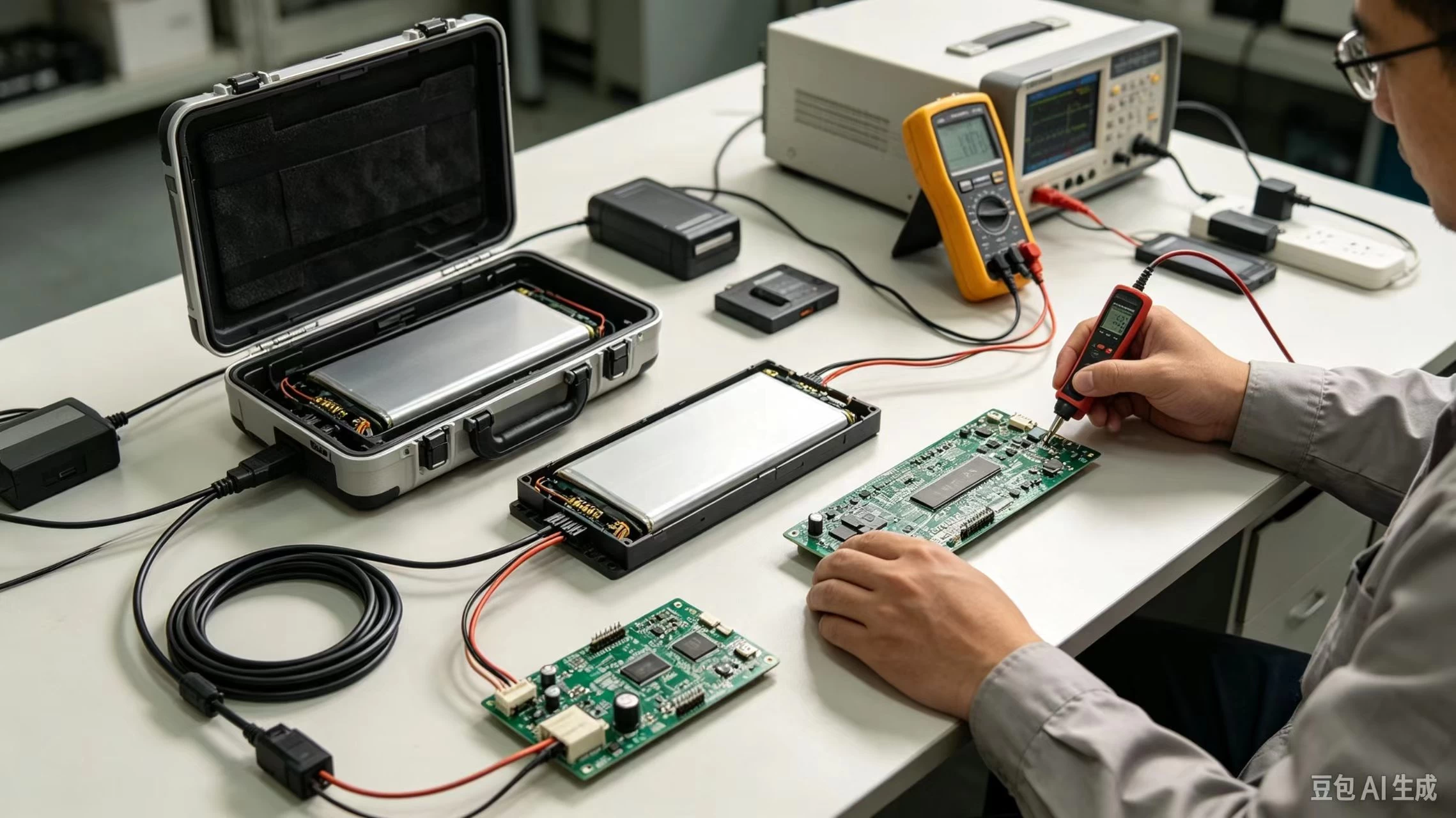
Portable device battery integration
Address limited board space, standby drain, battery status reporting and charger compatibility. Coordinate these requirements with the pack design to identify integration issues before production.
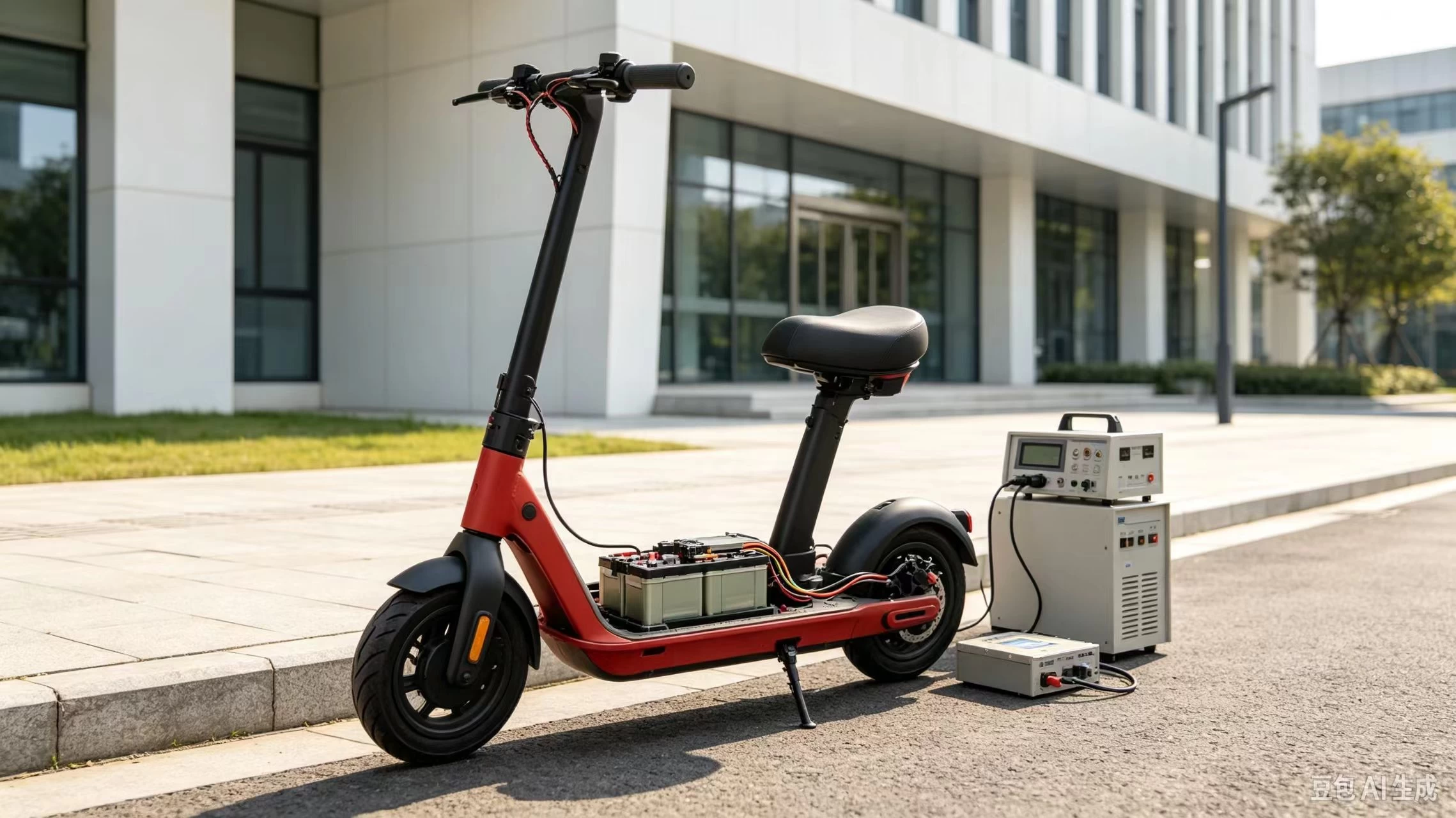
Light mobility battery integration
Review acceleration-related shutdowns, controller communication, charging and outdoor temperature exposure. Validate candidate configurations with the intended battery pack and vehicle controller.
For cordless cleaning equipment, power tools and recreational devices, we review startup pulses, repeated load cycles and recovery behavior. This helps buyers specify an application-appropriate solution and avoid carrying unresolved operating issues into bulk orders.
Photos show application contexts. Compatibility is established through project-specific review and testing.
A · Solution Advantages
Connect engineering decisions with a practical sourcing plan
Fragmented supplier discussions can leave buyers with conflicting specifications and incomplete integration answers. We coordinate manufacturing partner options against one agreed brief, linking technical feasibility, sample evaluation and repeat-order requirements.
Comparable solution options
Assess protection-board and smart BMS approaches against the same application requirements. Make tradeoffs in integration effort, functionality and procurement scope visible before selecting a candidate.
Coordinated OEM/ODM review
Discuss supported connector, harness, firmware and communication changes with the selected partner. Confirm feasibility, responsibilities and sample acceptance criteria before committing to customization.
Controlled repeat purchasing
Document the approved hardware revision, configuration and inspection criteria. Agree traceability and change notification so later orders can be checked against the accepted solution.
Documentation with clear scope
Review available certificates and test reports for the specific model, revision and destination market. Identify which requirements still need battery pack or finished-device assessment.
B · Business Benefits
Support better project decisions across the B2B supply chain
For energy-storage wholesalers
Build a clearer purchasing brief when expanding into portable battery applications. Compare quotations, documentation and supply conditions while keeping consumer and stationary storage requirements distinct.
For battery pack manufacturers
Identify wiring, charging, thermal and communication issues before the pack design is locked. Use agreed sample criteria to guide engineering review and production handover.
For system integrators
Align the battery, charger and host electronics around a documented interface. Clarify integration responsibilities and test conditions to support troubleshooting and product acceptance.
The intended value is fewer unresolved specification questions, clearer supplier coordination and more consistent purchasing records. Project outcomes depend on the selected configuration, engineering implementation and completed validation.
E · Verification Evidence
Build the purchasing decision on traceable technical evidence
Link each acceptance requirement to the selected BMS model, hardware revision and configuration. We coordinate document requests and review with the manufacturing partner and buyer; the available records and required tests are confirmed for each project.
| Project decision | Evidence supporting approval |
|---|---|
| Pack integration | Model specification, supported cells and series range, mechanical drawing, connector definition and agreed battery wiring diagram. |
| Operating behavior | Documented protection settings, load and pulse test conditions, temperature limits, standby behavior and sample results for the intended duty cycle. |
| System compatibility | Host protocol and data map, charger requirements, wake-up sequence and integration test results with the intended device. |
| Market acceptance | Available model-specific certificates and reports checked for scope, revision and market relevance, plus identified pack and finished-device assessment needs. |
| Production continuity | Approved sample record, agreed bill of materials or configuration, incoming inspection criteria, batch traceability and change-notification terms. |
Scope the Project
Define operating problems, integration needs and purchasing targets.
Compare Solutions
Review partner options against the agreed technical brief.
Validate Integration
Evaluate samples with the actual pack, charger and host.
Confirm Supply
Approve the configuration, evidence and repeat-order criteria.
Consumer Electronics Battery Solution FAQs
What information is needed to start a battery solution review?
Share the device application, operating problems, cell chemistry, series count, capacity, normal and startup loads, charger details, board space and host interface. Include order volume, schedule and destination market so engineering and sourcing requirements can be reviewed together.
When does a project need a smart BMS instead of basic protection?
Start with the functions the finished device needs. Basic protection may suit projects focused on electrical limits; measurement, state-of-charge reporting and host communication may require a smart BMS. Compare the integration requirements and verify the selected model's supported functions.
How can we address battery and host communication mismatch?
Review connector pinout, electrical levels, protocol messages and data mapping with both the device team and BMS partner. A shared interface name alone does not establish compatibility. Confirm communication and fault handling through testing with the intended host.
How are charging problems handled in the solution review?
Evaluate the charger, battery pack and BMS together, including charging limits, connection sequence and fault recovery. For USB-C devices, include the power controller and charge regulation in the review. Assign clear responsibilities for each part of the charging system.
How do we move from an OEM/ODM sample to repeat orders?
Confirm customization feasibility with the selected partner, then agree a sample validation plan. Record the accepted hardware revision, firmware or settings, inspection criteria and required documents. Use that approved configuration as the reference for subsequent orders and change review.
Start Your B2B Solution Review
Discuss Your Consumer Electronics Battery Project
Tell us where your current battery solution falls short: startup shutdowns, charging issues, communication gaps, limited board space or inconsistent supply. Share the battery specification, device requirements, expected volume and project schedule. We will review candidate sourcing paths and the evidence needed for integration and purchasing decisions.
Discuss Your Solution