Industrial Equipment / B2B Battery Solutions
Industrial Equipment Battery Management Solutions
Unexpected battery shutdowns, charger incompatibility and inconsistent repeat supply can disrupt equipment operation and delay production. BMS & Energy helps battery pack manufacturers, energy-storage wholesalers and system integrators translate these challenges into a coordinated battery management and sourcing plan. As a BMS consultant and sourcing partner, we connect application requirements with manufacturing partner options, integration documents and sample validation.
For electric forklifts, material handling equipment, AGVs, autonomous mobile robots and custom industrial battery packs, the solution must connect the cells, BMS, charger and machine controller. We define operating requirements, compare suitable architectures and coordinate testing before volume purchasing. Each recommendation is tied to a specific model, configuration and intended duty cycle.
F · Solution Features
Connect battery engineering, equipment integration and procurement
We turn operating problems into a shared technical brief for the pack manufacturer, system integrator and BMS partner. The review covers the complete battery system, from protection settings to production acceptance.
Protection aligned with operation
Define monitoring and protection requirements around the cells, load profile and thermal environment. Review fault thresholds and recovery behavior to address shutdown issues while retaining the required protection strategy.
Pack and equipment coordination
Review current paths, installation space, connector layout, harness routing and heat dissipation together. Identify electrical and mechanical conflicts before the pack design and machine interface are finalized.
Controller and charger integration
Align supported communication protocols, data mapping and operating sequences with the machine controller and charger. Validate the interface to address missing status data, charge interruptions and fault-handling gaps.
OEM/ODM implementation planning
Coordinate supported harness, connector, firmware and protection-setting changes with the selected partner. Agree feasibility, engineering responsibilities and sample acceptance criteria before customization proceeds.
F · Application Solutions
Industrial battery solutions shaped around the operating workflow
Shift patterns, charging access and machine controls determine how an industrial battery must perform. We use the intended workflow to define integration requirements and representative validation conditions.

Forklift and material handling solutions
Address traction and lift-related shutdowns, charging interruptions and controller mismatch. Review the pack and BMS against shift demands, load peaks and available charging windows.
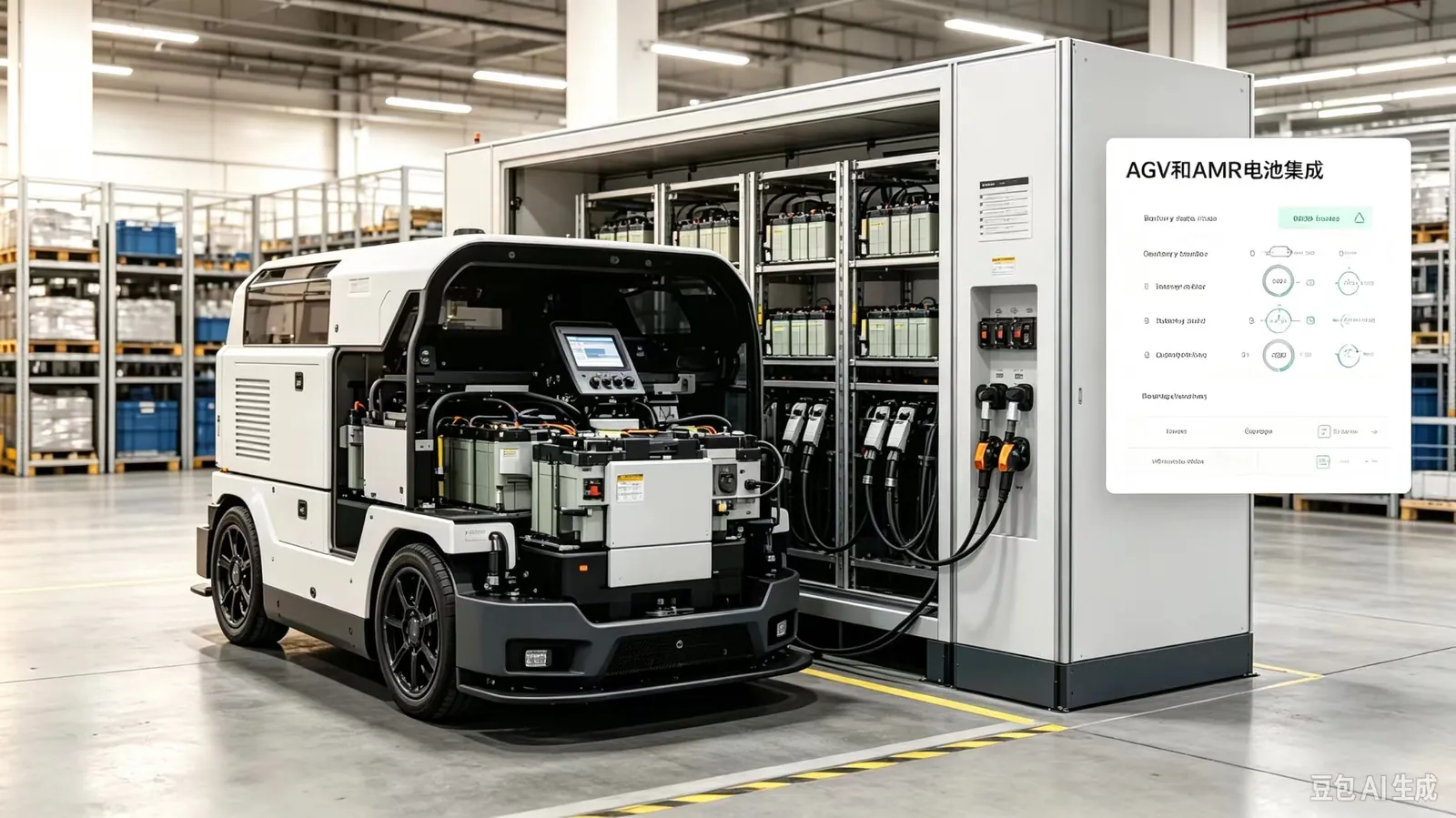
AGV and AMR battery integration
Coordinate automatic charging, battery status reporting and fault recovery with the vehicle controller. Evaluate candidate solutions across repeated operating cycles and intended charging sequences.
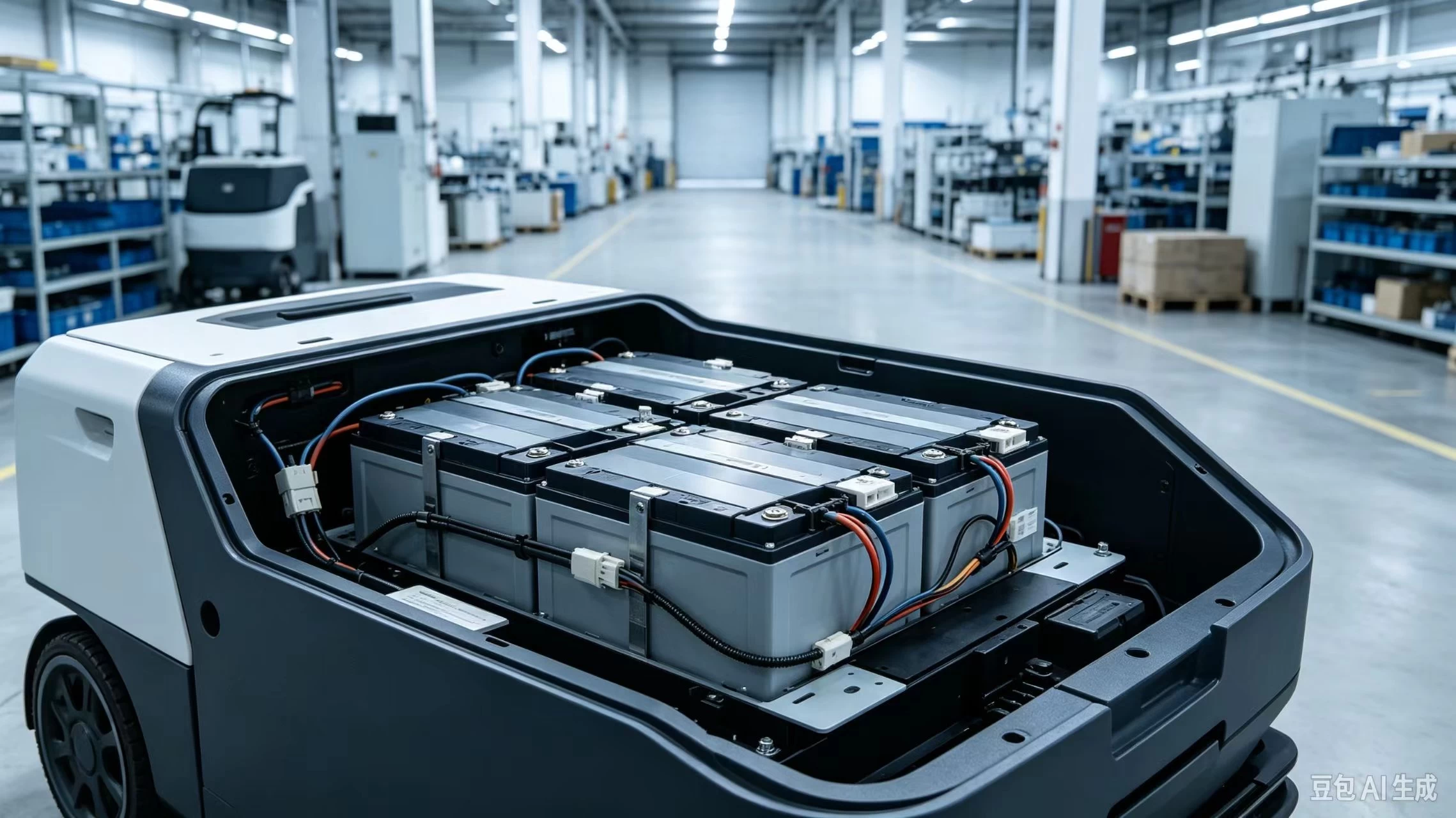
Custom industrial pack solutions
Resolve space, wiring and service-access constraints for cleaning machines and mobile equipment. Connect the approved pack design with documented protection settings and repeat-order requirements.
Images show application contexts and illustrative hardware. Suitability is established through project-specific documentation and system testing.
A · Solution Advantages
One coordinated brief from supplier comparison to approval
Separate engineering and supplier discussions can leave buyers with conflicting specifications and incomplete integration answers. Our multi-partner sourcing approach compares candidate solutions against one agreed brief and connects technical review with sample approval and purchasing decisions.
Comparable solution choices
Evaluate candidate architectures against the same pack, duty-cycle and interface requirements. Make integration effort, supported functions and documentation gaps clear before selecting a sample.
Coordinated technical decisions
Bring drawings, charger requirements, controller protocols and protection-setting questions into one review. Clarify responsibilities between the buyer, pack team and selected manufacturing partner.
Documentation with verified scope
Request available model-specific certificates and test records, then review their revision, scope and market relevance. Identify additional assessment needed for the battery pack and complete equipment.
Defined commercial coordination
Align sample availability, quotation scope, production configuration and change-notification terms. Establish agreed handling of confidential project information throughout technical and sourcing discussions.
B · Business Benefits
Support more predictable integration and repeat purchasing
For energy-storage wholesalers
Build a consistent purchasing brief when serving industrial battery customers. Compare solution scope, documentation and supply terms while keeping equipment and stationary storage requirements distinct.
For battery pack manufacturers
Identify wiring, thermal and charging conflicts before the design is locked. Use agreed sample criteria and configuration records to support engineering approval and production handover.
For system integrators
Align the battery, charger and controller around a documented interface. Define status reporting, fault response and test responsibilities to support commissioning and troubleshooting.
The intended value is fewer unresolved integration questions, clearer supplier accountability and more consistent procurement records. Operating performance depends on the approved configuration, implementation and completed equipment-level validation.
E · Verification Evidence
Base production approval on traceable project evidence
Connect each acceptance requirement to the selected BMS model, hardware revision and configuration. We coordinate document requests and review with the manufacturing partner and buyer, confirming the available records and required system tests for each project.
| Project decision | Evidence supporting approval |
|---|---|
| Battery pack integration | Model specification, supported chemistry and series range, mechanical drawing, connector definition and agreed pack wiring diagram. |
| Duty-cycle suitability | Documented continuous and pulse-load conditions, protection settings, thermal limits and sample results under representative machine operation. |
| Controller and charger compatibility | Interface and protocol documents, required data map, charging and fault-recovery sequences, and integration test results. |
| Destination-market requirements | Available certificates and reports checked for model identification, revision and scope, plus identified pack and equipment assessment needs. |
| Repeat-order consistency | Approved sample record, final configuration or drawing, inspection criteria, batch traceability and agreed change-notification process. |
Scope the Project
Define operating issues, system interfaces and supply requirements.
Compare Solutions
Review partner options against the agreed technical brief.
Validate Integration
Evaluate samples with the pack, charger and intended equipment.
Approve Supply
Confirm the configuration, evidence and repeat-order criteria.
Industrial Battery Solution FAQs
What information is needed to review an industrial battery solution?
Share the equipment application, operating problems, cell chemistry, series count, voltage range, load peaks and duration, charging method and controller interface. Include shift patterns, installation constraints, expected volume and destination market so engineering and sourcing needs can be reviewed together.
Can one solution cover both LiFePO4 and NMC battery projects?
Each chemistry requires its own review of cell limits, charging behavior and protection settings. A configurable BMS may support different projects, but the selected model and approved parameters must be verified for each pack design and operating environment.
How can controller or charger communication mismatch be addressed?
Review electrical levels, pinout, protocol messages and required data points with the equipment team and BMS partner. Confirm charging sequences and fault handling through integration testing. A CAN or RS485 interface alone does not establish system compatibility.
How do we move from an OEM/ODM sample to repeat production orders?
Confirm customization feasibility and agree a validation plan with the selected partner. Record the accepted hardware revision, firmware or settings, drawings and inspection criteria. Use the approved configuration as the reference for subsequent orders and review any proposed changes before acceptance.
Start Your B2B Solution Review
Discuss Your Industrial Battery Integration Project
Tell us where your current battery system falls short: load-related shutdowns, charging interruptions, controller mismatch, installation constraints or inconsistent repeat supply. Share the pack specification, equipment requirements, order forecast and project schedule. We will review candidate sourcing paths and the evidence needed for integration and production approval.
Discuss Your SolutionConfirm the final configuration, documentation and compatibility through review and testing of the intended battery pack, charger and complete equipment.