Energy Storage BMS Solutions for Battery PACK Factories, Wholesalers & System Integrators
An energy storage BMS solution connects battery monitoring, protection, inverter communication and production requirements into one project-specific integration plan. We help battery PACK factories, energy storage wholesalers and system integrators address incompatible interfaces, unclear protection settings and inconsistent sourcing across residential, commercial and industrial ESS projects.
As a BMS Consultant & Energy Storage Sourcing Partner, we coordinate requirements, manufacturer evaluation, sample validation and supply planning. We do not operate our own BMS factory. Hardware, firmware and documentation are reviewed with the selected manufacturing partner so buyers can assess the proposed solution against their battery system and acceptance criteria.
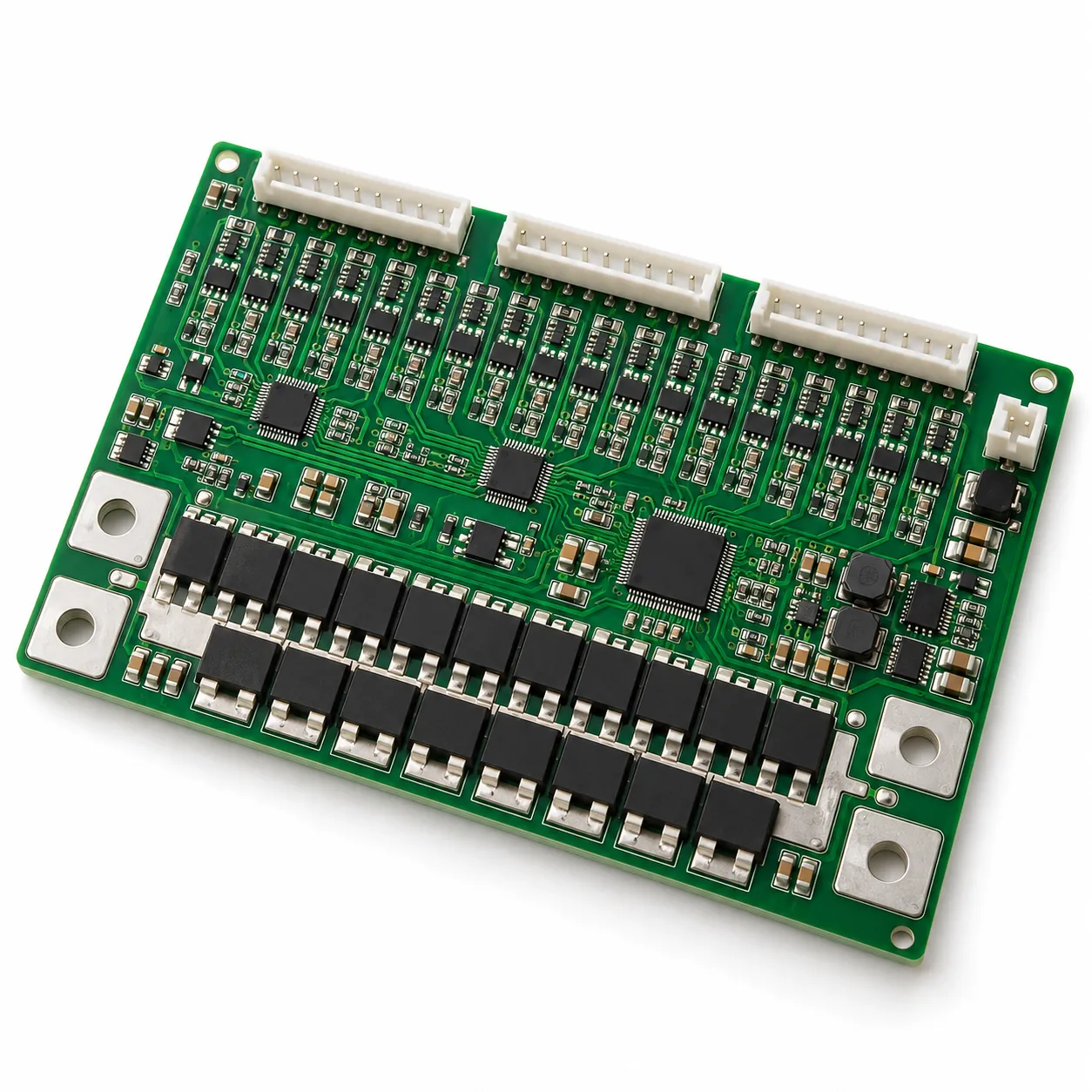
Residential Battery Integration,
100 A Reference Configuration
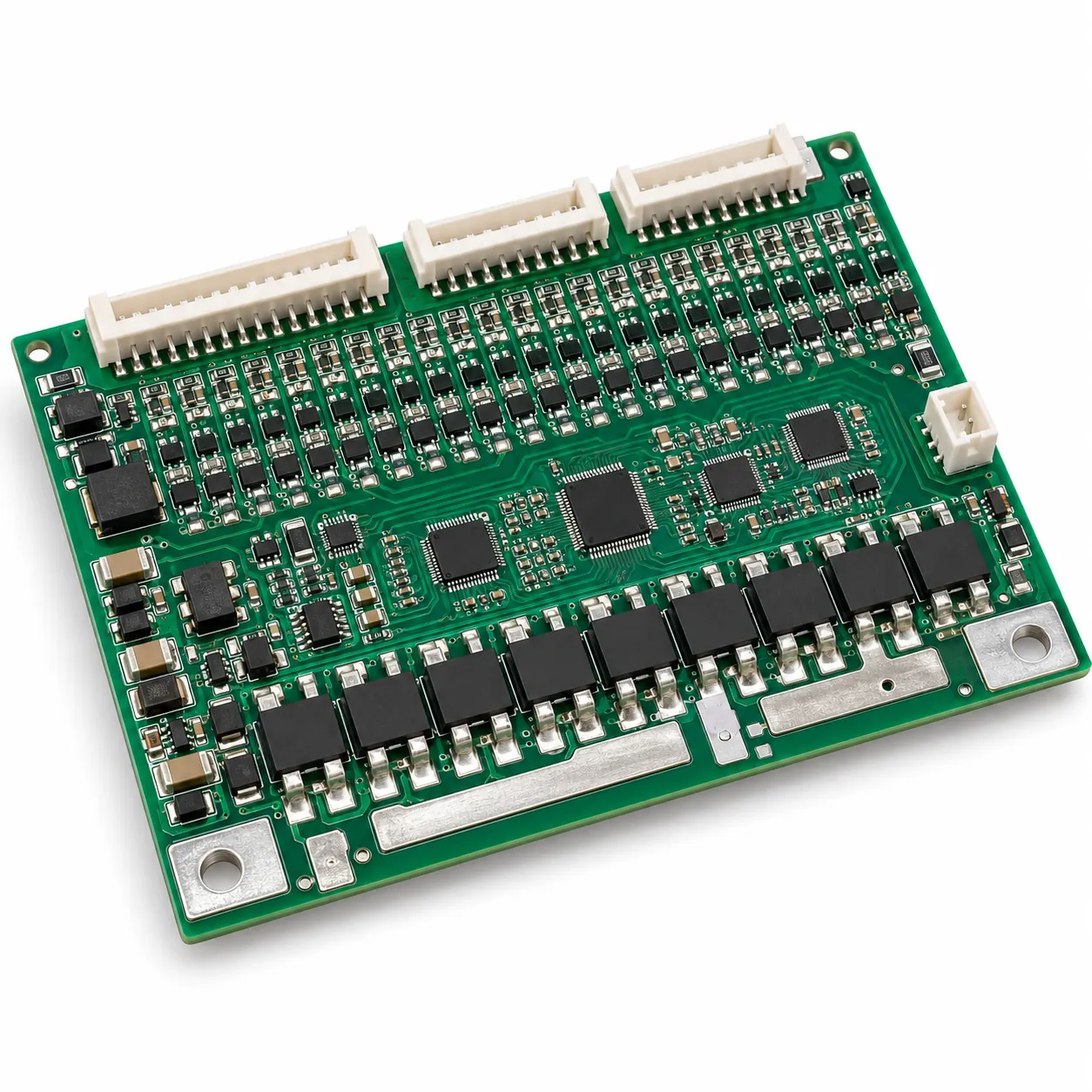
Solar Storage Integration,
150 A Reference Configuration
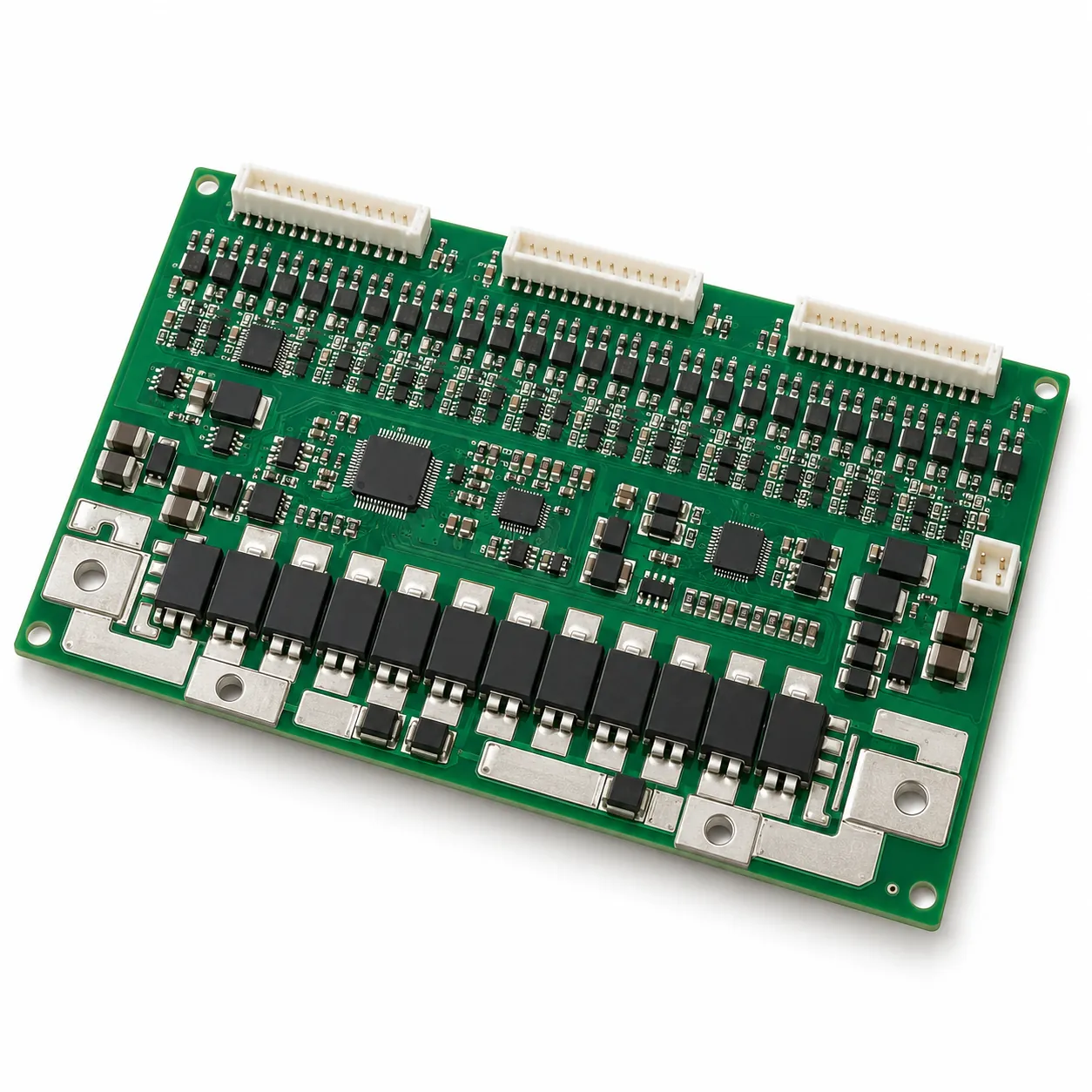
Higher-Current PACK Integration,
200 A Reference Configuration
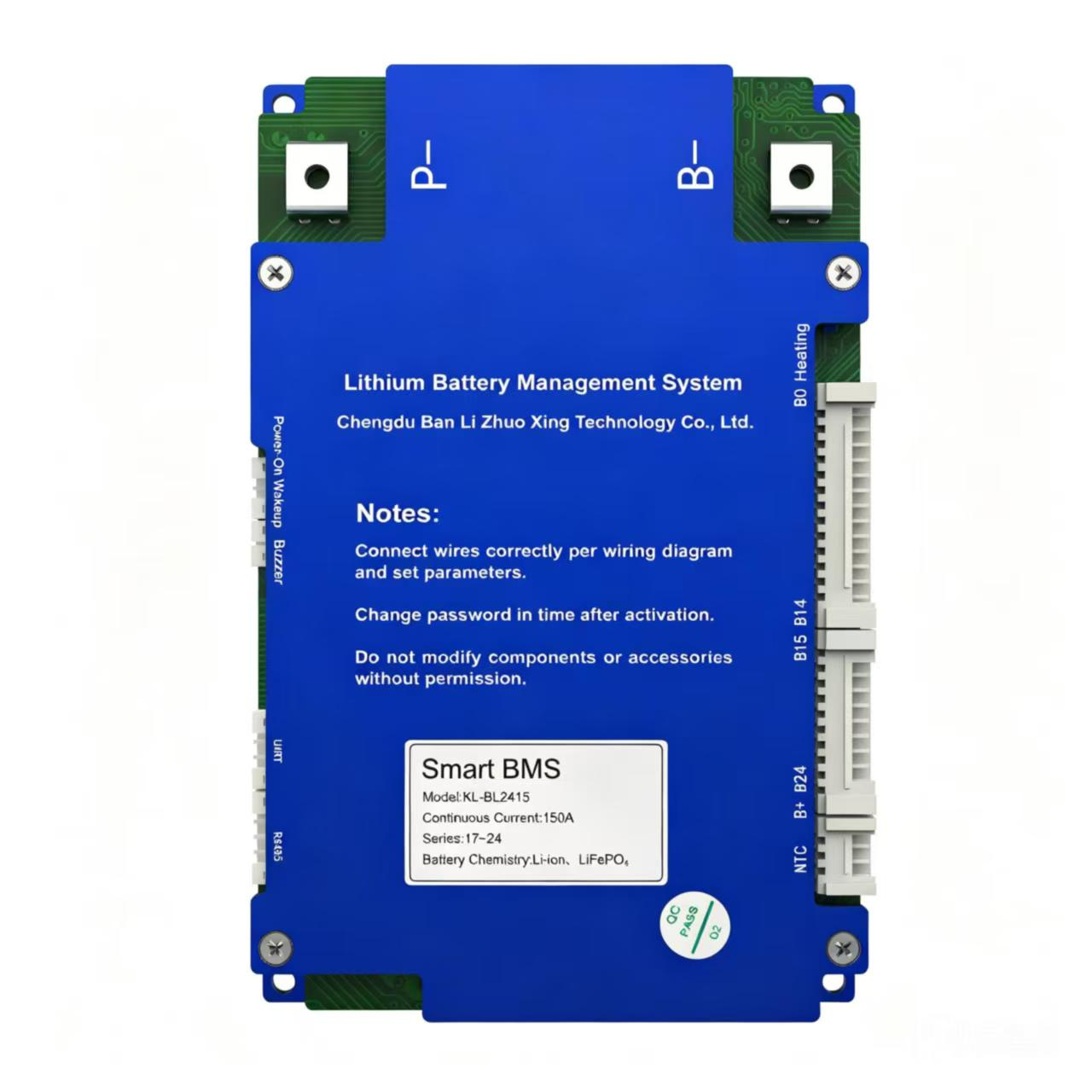
Demanding Load Integration,
300 A Reference Configuration
Business Value Across Your Supply Chain
For PACK Factories & System Integrators
Align battery protection, wiring and inverter communication before committing to production. A shared requirements and validation plan helps teams identify integration gaps earlier, reduce avoidable rework and establish a documented configuration for repeat builds.
For Energy Storage Wholesalers
Build quotations around customer applications, confirmed interfaces and clear supply requirements. Coordinated configuration review helps distributors compare suitable options, explain compatibility limits and manage repeat orders with fewer unresolved technical questions.
Address the Main Causes of ESS Integration Problems
Make Battery Behavior Visible
Model-dependent voltage, current, temperature and state-of-charge monitoring gives engineers a basis for investigating imbalance and operating limits. We review the required measurements and reporting against the pack test plan so commissioning decisions use relevant battery data.
Match Protection to Operating Conditions
Protection settings must reflect cell chemistry, load behavior and the installation environment. Reviewing thresholds, recovery conditions and balancing requirements together helps identify conflicts between battery protection and normal system operation before production approval.
Coordinate Modules and System Control
Multi-module ESS projects need consistent monitoring, alarm handling and control across the rack. We evaluate suitable BMS architectures and interfaces against the system design, helping integrators define how battery modules, controllers and power electronics work together.
Resolve BMS, Inverter, PCS & EMS Compatibility
A matching connector or CAN/RS485 interface does not establish protocol compatibility. We coordinate review of message mapping, SOC reporting, alarms and charge/discharge control against the intended inverter, PCS or EMS. Sample testing with the actual equipment provides the evidence needed to approve the integration and reduce commissioning uncertainty.
Turn Technical Requirements into a Repeatable Supply Plan
Choosing by current rating or series count alone can leave wiring, firmware and communication issues unresolved. Our solution review brings battery architecture, operating limits, interfaces and acceptance criteria into one requirements brief, giving engineering and purchasing teams a common basis for comparing configurations.
For PACK factories and wholesalers, repeatability matters as much as sample performance. We coordinate manufacturer questions, configuration documentation and supply terms so buyers can review hardware and firmware revisions, inspection expectations and change-control requirements before placing a volume order.
Energy Storage Solutions by Application

Residential & Solar Energy Storage
Coordinate LiFePO4 pack protection, inverter communication and operating limits for home and solar storage projects. Verify the proposed configuration against the intended equipment and installation conditions before rollout.
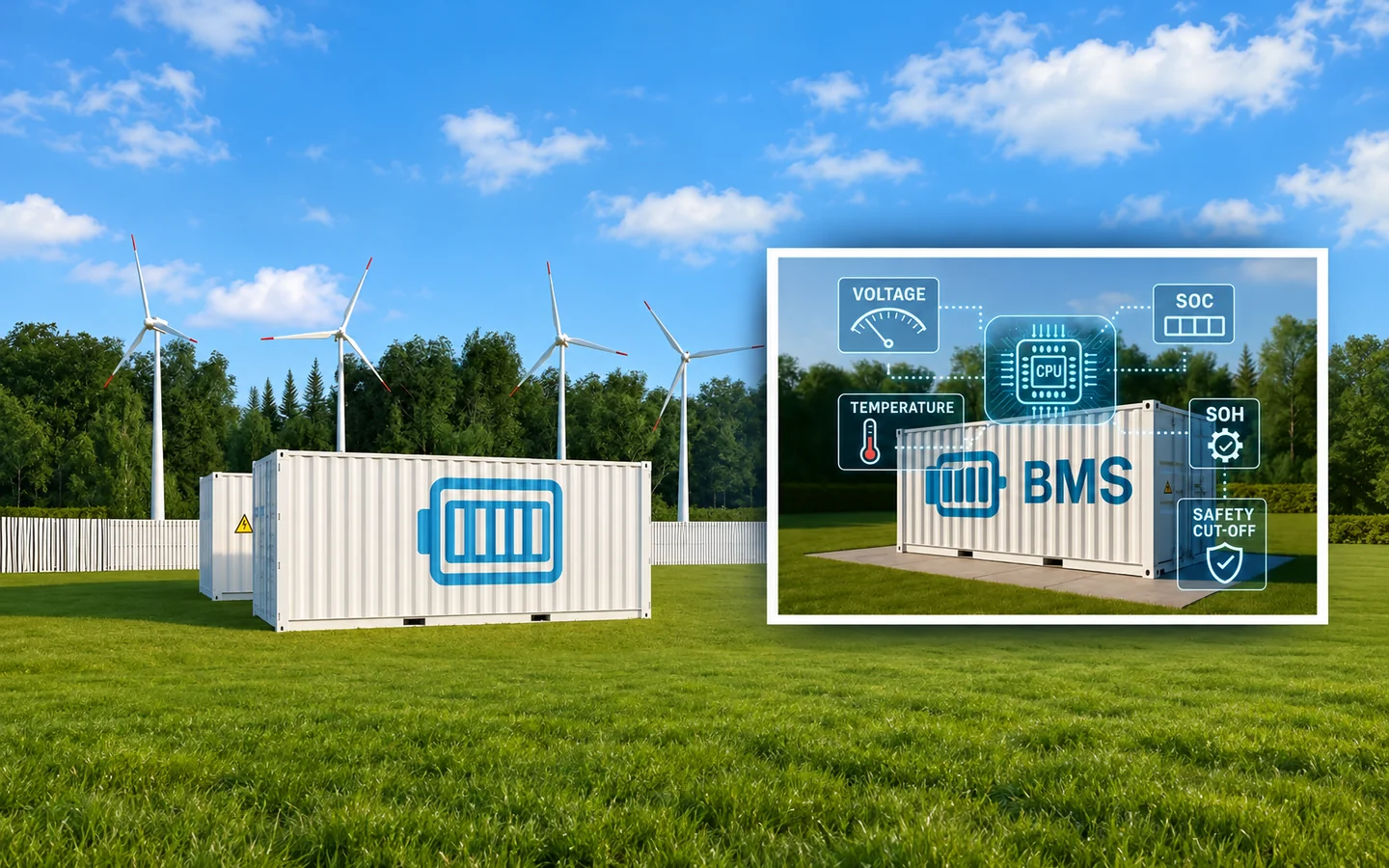
Commercial & Industrial ESS
Address module coordination, protection sequencing and PCS/EMS communication within a project-specific battery architecture. Define validation responsibilities and acceptance criteria before scaling deployment.
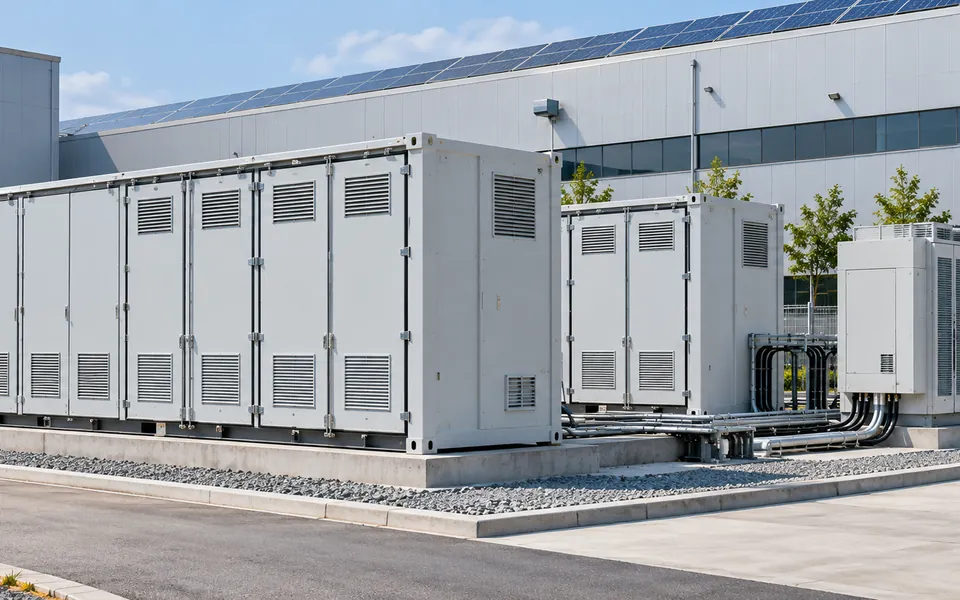
Telecom & UPS Backup Systems
Review standby behavior, battery status reporting, alarms and recovery after power interruptions. Match the BMS configuration to backup equipment and test the required operating transitions before approval.
OEM / ODM Support for Your Energy Storage System
When standard configurations leave integration gaps, we coordinate manufacturer review of pack drawings, connectors, protection settings, firmware and communication requirements. Proposed changes are assessed alongside sample testing, documentation, MOQ and lead time, helping buyers understand feasibility and supply implications before committing to a customized solution.
Evidence for Engineering and Purchasing Decisions
A credible energy storage solution needs evidence for the quoted configuration. We coordinate review of datasheets, wiring diagrams, protocol documents, sample results and available compliance records against the intended system. Hardware and firmware revisions, test conditions and document scope should be checked together before production or deployment approval.
| Business decision | Evidence needed for approval |
|---|---|
| Will the solution fit our battery system? | Documented cell chemistry, series count, voltage limits, pack topology, connector pinout and wiring diagram matched to the proposed battery architecture. |
| Will protection support the required duty cycle? | Current and thermal limits, protection thresholds, balancing behavior and pre-charge or contactor sequencing checked against representative operating conditions and sample results. |
| Will the battery work with our inverter or EMS? | Protocol mapping, SOC reporting, alarms and control behavior verified through communication tests with the intended inverter, PCS or EMS. |
| Does the documentation cover our configuration? | Available test and compliance documents reviewed for model, revision, scope and destination-market requirements, with unresolved gaps identified before approval. |
| Can we reproduce the approved solution? | Approved sample, hardware and firmware baseline, inspection criteria, traceability requirements, change-control process and agreed supply terms. |
Define the System
Set the application, battery architecture, operating profile, equipment interfaces and commercial requirements.
Build the Solution
Compare suitable configurations and resolve documentation, compatibility and customization questions.
Validate Integration
Test the sample with the battery pack and intended equipment against agreed acceptance criteria.
Prepare for Scale
Approve the configuration baseline, inspection plan, change-control requirements and supply terms.
Information Needed to Plan Your ESS Solution
Share your application, battery chemistry, pack architecture, voltage and current profile, inverter or PCS model, communication requirements and operating environment. Include target volume, project schedule and current integration problems so we can coordinate a focused configuration review and sample validation plan.
Energy Storage Solution Questions
What does your energy storage BMS solution service include?
We coordinate requirements review, BMS configuration comparison, manufacturer questions, sample validation planning and supply discussions. The focus is on matching battery monitoring, protection and communication to the complete ESS application. Project scope and responsibilities are confirmed with the buyer and selected manufacturer.
How does this help battery PACK factories reduce integration problems?
Reviewing wiring, protection settings, operating limits and communication before production helps expose compatibility gaps earlier. Sample testing against the pack test plan establishes a basis for approval, while documented hardware and firmware revisions support repeat builds.
How is inverter, PCS or EMS compatibility established?
We review the equipment model and protocol requirements against the proposed BMS interface and message mapping. Compatibility is then checked with representative sample testing, including SOC reporting, alarms and control behavior. Interface names alone do not establish interoperability.
Can wholesalers and integrators request a customized solution?
Yes. We coordinate manufacturing-partner review of application requirements, pack drawings, protection settings and communication needs. Feasibility, validation scope, documentation, MOQ and lead time are confirmed before approval so buyers can assess both technical fit and commercial practicality.
Discuss Your B2B Energy Storage Solution
Facing inverter incompatibility, unclear protection behavior or inconsistent repeat supply? Tell us which issues are blocking your PACK production, wholesale project or ESS deployment so the solution review can focus on the decisions that matter.
Send your system requirements, current configuration, target volume and schedule. As your BMS Consultant & Energy Storage Sourcing Partner, we will coordinate suitable options and identify the documentation and sample checks needed for the next project decision.